
What Is Sleep Apnea? Tampa & St. Petersburg
The Basics of Sleep Apnea
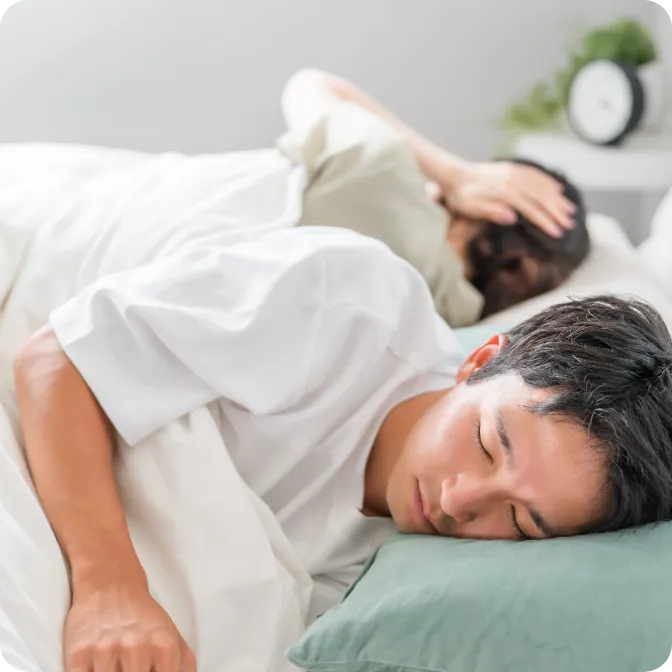
Do you often wake up feeling exhausted, no matter how long you’ve slept? Do you or your partner notice loud snoring, or do you sometimes wake up gasping for air?
You might not realize it, but these can be signs of sleep apnea—a serious condition that affects both your sleep and overall health.
At Breathe Sleep Center in Tampa and St. Petersburg, we understand how frustrating it can be to feel like you’re not getting the rest you need. Our team is here to help you understand what sleep apnea is, how it can impact your life, and what treatments are available to give you back restful, restorative sleep.
We’re dedicated to educating our patients, empowering them to take control of their sleep health, and offering solutions that fit their needs.
Why Choose Breathe Sleep Center for Sleep Apnea Treatment?
- Led by Highly Trained Sleep Dentist
- Two Convenient Locations in Tampa & St. Petersburg
- At-Home Sleep Testing & Telemedicine Available
What Is Sleep Apnea?
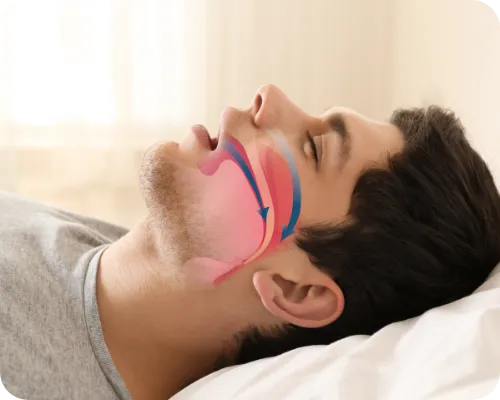
Sleep apnea is a condition where your breathing repeatedly stops and starts during sleep. This can happen hundreds of times a night, interrupting your ability to reach deep, restful sleep.
There are different types of sleep apnea, but the most common form is obstructive sleep apnea (OSA).
What Is Obstructive Sleep Apnea?
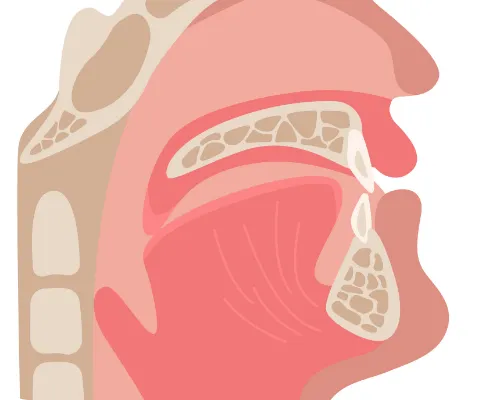
Obstructive sleep apnea occurs when the muscles in the back of your throat relax too much during sleep, causing your airway to narrow or become blocked. This blockage temporarily stops your breathing, prompting your brain to wake you up just enough to resume breathing.
Often, you don’t even remember waking up, but these interruptions take a serious toll on your ability to get quality sleep.
What Causes Obstructive Sleep Apnea?
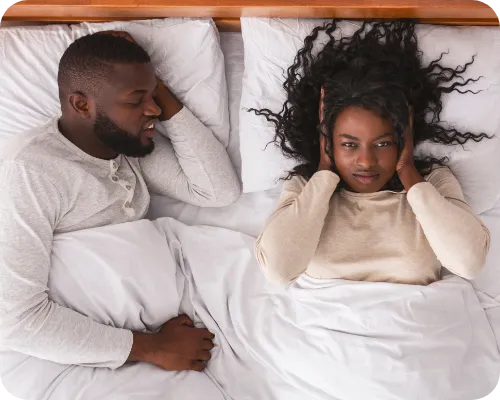
Several factors can contribute to obstructive sleep apnea, including:
Excess Weight

Being overweight is a significant risk factor, as the additional tissue around the neck and throat can place pressure on the airway, causing it to collapse and become obstructed.
Age

Sleep apnea becomes more common as we age, especially after age 40.
Family History

A family history of sleep apnea increases your risk.
Neck Circumference
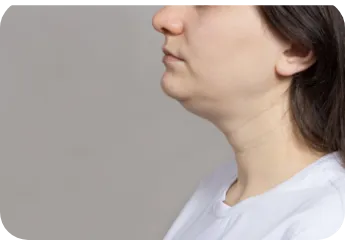
People with thicker necks may have narrower airways, which can contribute to sleep apnea.
Nasal Congestion
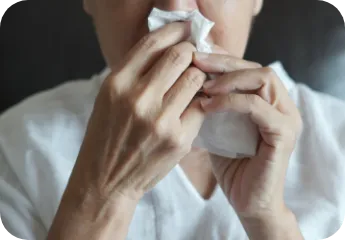
Chronic nasal congestion or a deviated septum can lead to breathing issues during sleep.
Smoking and Alcohol

Smoking increases inflammation in the airway, and alcohol relaxes the throat muscles, making it more likely for them to collapse.
Learn More About Risk Factors for Sleep Apnea
What Are the Symptoms of Sleep Apnea?
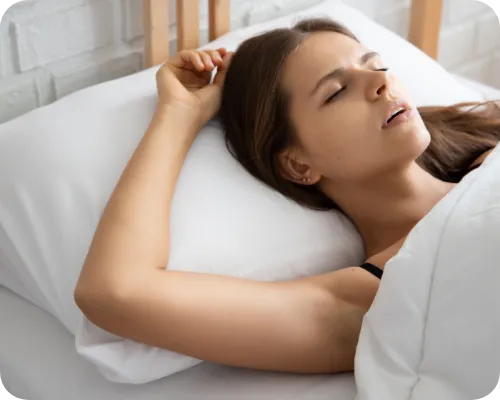
Sleep apnea often goes undiagnosed because the most common symptoms occur while you’re asleep. However, there are some telltale signs to look out for:
- Loud, persistent snoring
- Pauses in breathing during sleep (often noticed by a partner)
- Waking up gasping or choking
- Morning headaches
- Excessive daytime fatigue
- Difficulty concentrating
- Mood changes or irritability
- Dry mouth or sore throat upon waking
If you experience any of these symptoms, it’s important to talk to a professional about a sleep study to assess whether you have sleep apnea.
Learn More About Common Sleep Apnea SymptomsHow Is Obstructive Sleep Apnea Diagnosed?
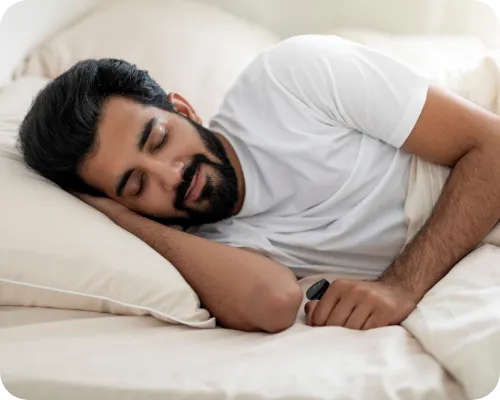
At Breathe Sleep Center, we partner with testing providers who offer a convenient at-home sleep study to diagnose sleep apnea. With a small, portable device, you can sleep in the comfort of your own home while the machine monitors your breathing, oxygen levels, and sleep patterns.
This data allows us to determine if you have sleep apnea and how severe it is, so we can create a personalized treatment plan to help you sleep better.
What Are the Health Risks of Untreated Obstructive Sleep Apnea?
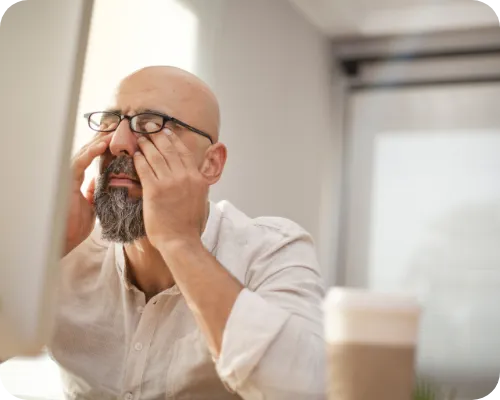
Untreated sleep apnea can take a serious toll on your health, both in the short and long term.
Daytime Fatigue

Without proper sleep, you’re likely to feel tired and sluggish throughout the day, which can affect your ability to concentrate or complete tasks.
Irritability and Mood Changes

Lack of sleep can make you more irritable, anxious, or prone to mood swings.
Poor Quality of Life

Constant tiredness can impact your relationships, job performance, and overall quality of life.
High Blood Pressure

The repeated episodes of stopped breathing can cause your blood pressure to rise, leading to chronic hypertension.
Heart Disease

Sleep apnea increases your risk of heart attacks, irregular heartbeats (arrhythmias), and heart failure.
Stroke
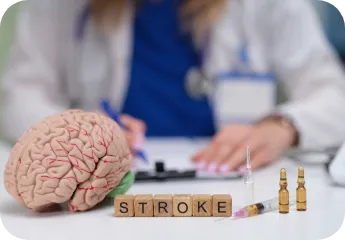
People with untreated sleep apnea have a higher risk of stroke.
Type 2 Diabetes

Sleep apnea is linked to insulin resistance, which can lead to Type 2 diabetes.
Depression

The chronic fatigue and mood changes caused by sleep apnea can contribute to depression.
Getting treatment for sleep apnea is crucial to protecting both your short- and long-term health.
How Is Obstructive Sleep Apnea Treated?

At Breathe Sleep Center, we offer a range of effective treatments for sleep apnea based on your unique needs.
CPAP Therapy
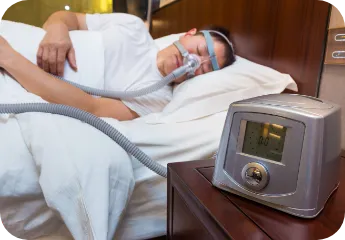
The continuous positive airway pressure (CPAP) machine is a common treatment for sleep apnea. It delivers a steady airflow through a mask to keep your airway open during sleep. We will work with your primary healthcare provider if CPAP is the recommended treatment.
While CPAP is highly effective, some people find the machine uncomfortable to use consistently, which is why we offer alternatives.
Oral Appliance Therapy

Oral appliance therapy involves a custom-fitted device that you wear in your mouth while sleeping. This appliance repositions your jaw and tongue to help keep your airway open.
Many patients find oral appliances to be more comfortable and convenient than CPAP, especially when traveling.
Is Snoring Always a Sign of Obstructive Sleep Apnea?
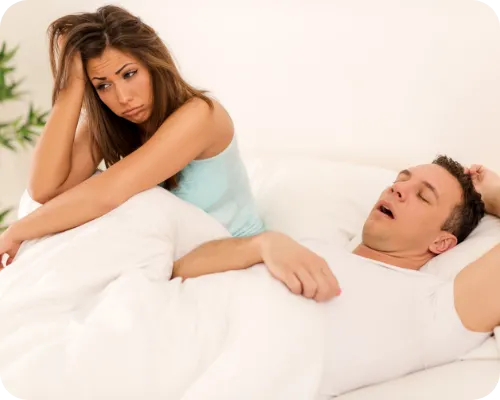
While snoring is a common symptom of sleep apnea, not everyone who snores has the condition.
Occasional snoring can be harmless, but persistent, loud snoring, especially when paired with other symptoms like gasping for air or daytime fatigue, may indicate sleep apnea. It’s important to speak with a healthcare provider to determine whether further testing is needed.
How Can a Dentist Help with My Sleep Apnea?

You might not think of your dentist when it comes to treating sleep apnea, but at Breathe Sleep Center, we specialize in dental sleep medicine.
Dr. Justin Elikofer, our highly trained sleep dentist, works closely with patients to provide personalized treatments through oral appliance therapy.
With advanced training in sleep apnea treatment, Dr. Elikofer helps patients find relief from their symptoms and get back to sleeping soundly.